Frederic Garcia Biography: The Life of Federico Garcia Lorca
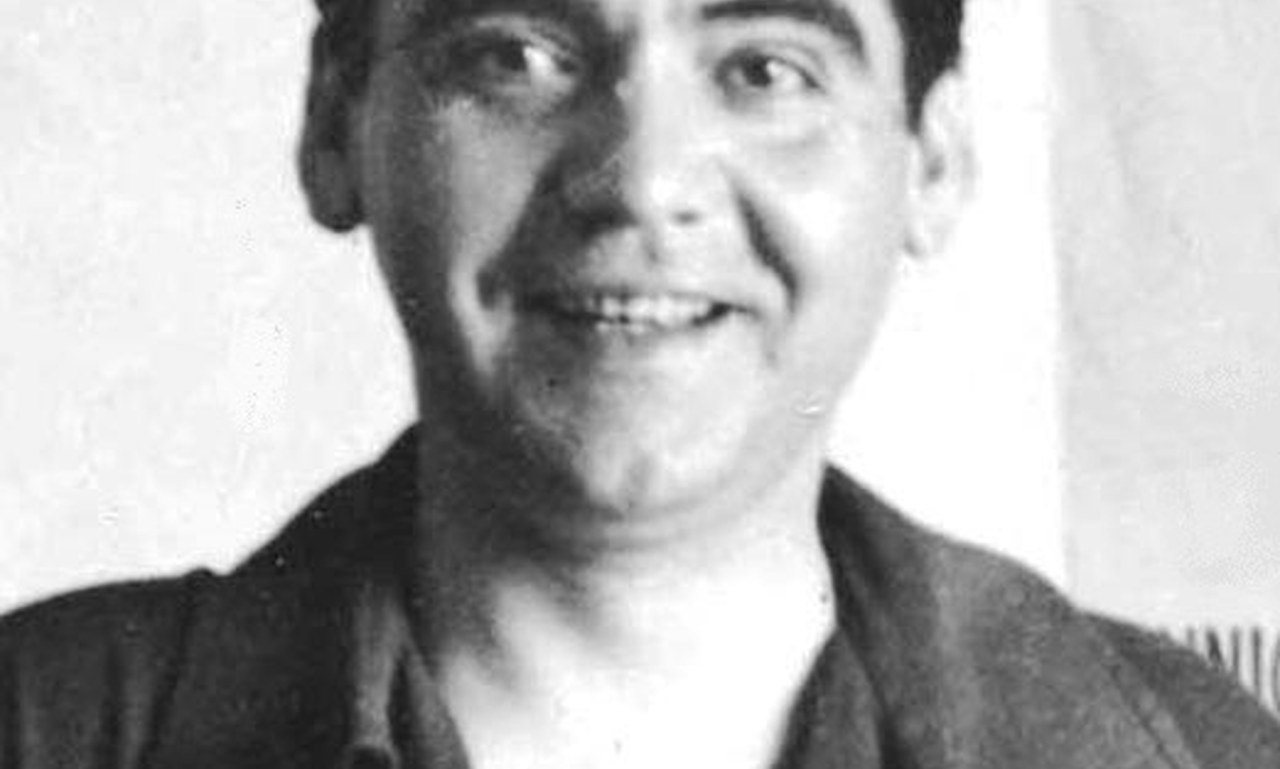
If you searched for “Frederic Garcia,” you are most likely looking for Federico García Lorca (1898–1936), the celebrated Spanish poet, playwright, and theatre director. Search engines consistently return Lorca for this name, treating “Frederic Garcia” as a variant spelling. Lorca remains the most important Spanish poet and playwright of the 20th century, a central figure of the Generation of ’27 whose work fused Andalusian folklore with avant-garde artistry before his assassination at the start of the Spanish Civil War.
Quick Facts
| Detail | Information |
|---|---|
| Full Name | Federico del Sagrado Corazón de Jesús García Lorca |
| Commonly Searched As | Frederic Garcia, Federico Garcia Lorca |
| Born | June 5, 1898 |
| Birthplace | Fuente Vaqueros, Granada, Spain |
| Died | August 18 or 19, 1936 (aged 38) |
| Nationality | Spanish |
| Profession | Poet, playwright, theatre director |
| Literary Movement | Generation of ’27 |
| Known For | Gypsy Ballads, Blood Wedding, Yerma, The House of Bernarda Alba, Poet in New York |
| Marital Status | Never married |
| Estimated Net Worth | Not applicable (died 1936; no modern estimate meaningful) |
Early Life and Education
Federico García Lorca was born on June 5, 1898, in Fuente Vaqueros, a small village near Granada in Andalusia, Spain. He was the eldest of four children born to a wealthy landowner father and a schoolteacher mother. He grew up amid the images, music, and social conditions of rural Andalusia — flamenco, folk songs, and peasant life — that would profoundly shape his writing.
At around age ten, the family moved to Granada, where Lorca attended a private secular institute and a Roman Catholic public school. He later enrolled at the University of Granada, where he studied law (and, by some accounts, philosophy and letters), though he was famously a lackluster student — better known for his extraordinary talent as a pianist than for academic diligence. It took him nine years to complete his bachelor’s degree, by which time his artistic ambitions had already taken over.
Career Journey
Lorca’s literary career, though spanning only about 19 years, moved through distinct and dazzling phases:
Madrid and the Generation of ’27 (1919–1928): Lorca moved to Madrid, where he lived at the Residencia de Estudiantes and befriended the artists who would define Spanish modernism — including Salvador Dalí and filmmaker Luis Buñuel, who introduced him to surrealism. He published his first book, Impresiones y paisajes, at 21, followed by Libro de poemas (1921). He became a central member of the Generation of ’27, the group of mostly poets who brought European avant-garde currents into Spanish literature.
Breakthrough (1928–1929): Romancero gitano (Gypsy Ballads, 1928) made him instantly famous in Spain and Latin America. Drawing on his boyhood contact with the gypsies of Fuente Vaqueros, the collection blended social commentary with dreamlike fantasy. Poems like the “Ballad of the Sleepwalker” (“Green, green, how I love you green”) became classics.
New York and Cuba (1929–1930): Seeking release and inspiration, Lorca spent a year in New York (studying at Columbia University) and Cuba. The experience produced Poeta en Nueva York (Poet in New York), a surrealist collection expressing his horror at American materialism and urban harshness — published posthumously and now considered among his greatest works.
Theatre and La Barraca (1931–1936): Returning to Spain, Lorca threw himself into theatre. He founded and directed the traveling student theatre company La Barraca, which toured villages performing classics. His great tragedies followed in quick succession: Bodas de sangre (Blood Wedding, 1933), Yerma (1934), and La casa de Bernarda Alba (The House of Bernarda Alba, completed 1936, premiered posthumously). These plays, centered on the plight of women in rural Andalusia, cemented his reputation as Spain’s leading dramatist.
Major Achievements
- Gypsy Ballads (1928): The poetry collection that made him a celebrity across the Spanish-speaking world.
- The rural tragedies: Blood Wedding (1933), Yerma (1934), and The House of Bernarda Alba (1936) — a trilogy regarded as the pinnacle of 20th-century Spanish theatre.
- Poet in New York: His searing surrealist response to modern urban life, published after his death.
- La Barraca: His traveling theatre company brought classical Spanish drama to rural villages, embodying his belief that culture could transform society.
- Generation of ’27: As its most famous member, Lorca helped inaugurate what scholars call a second Golden Age of Spanish literature.
- Enduring global influence: His work has been translated into dozens of languages and continues to influence writers, musicians, and artists worldwide.
Personal Life
Lorca never married. His homosexuality — an identity he struggled with privately in a conservative society — surfaced obliquely in his work and correspondence, including his long friendship and exchange of letters with Salvador Dalí. For decades after his death, Spain’s literary establishment and even his own family declined to acknowledge it; his biographer Ian Gibson documented how Lorca’s works were censored to conceal his sexuality, and it was not until nearly 45 years after his death that it was widely acknowledged.
Politically, Lorca held progressive, liberal views and associated with leftist intellectual circles. These views, combined with official disapproval of his homosexuality, made him a target when the Spanish Civil War began.
The Death of Lorca
On August 16, 1936, weeks into the Spanish Civil War, Lorca was arrested in Granada by Nationalist forces. A contemporary police report described him as a “freemason” guilty of “homosexual and abnormal practices.” He was held without trial and, on the night of August 18 or 19, 1936, driven to a remote hillside outside Granada and shot. He was 38. His body was thrown into an unmarked mass grave whose location has never been definitively found. Under Franco’s regime, his works were banned in Spain for decades.
Interesting Facts
- Lorca was an accomplished pianist and musician before he was known as a writer; music — especially cante jondo, deep flamenco song — shaped the rhythms of his poetry.
- He was close friends with both Salvador Dalí and Luis Buñuel, though the friendships were complicated by artistic rivalries and personal tensions.
- The House of Bernarda Alba, his final play, was completed just months before his death and premiered posthumously.
- His remains have never been found despite multiple search efforts, including high-profile excavations.
- The 1996 film The Disappearance of Garcia Lorca (starring Andy García as Lorca) dramatized the mystery of his death.
- Google Arts & Culture and institutions worldwide maintain extensive digital archives of his manuscripts and drawings — Lorca was also a gifted visual artist.
- Browse more profiles of influential cultural and literary figures in our celebrity biography archive.
FAQs
Who was Frederic Garcia?
“Frederic Garcia” is a name variant that search engines associate with Federico García Lorca, the renowned Spanish poet and playwright (1898–1936).
Why is Federico García Lorca important?
In a career of just 19 years, he revitalized Spanish poetry and helped inaugurate a second Golden Age of Spanish theatre. Britannica calls him the most important Spanish poet and playwright of the 20th century.
What did Federico García Lorca write?
His most famous works include the poetry collections Gypsy Ballads (1928) and Poet in New York, and the tragedies Blood Wedding (1933), Yerma (1934), and The House of Bernarda Alba (1936).
How did Federico García Lorca die?
He was arrested by Nationalist forces in Granada in August 1936 at the start of the Spanish Civil War and executed without trial on the night of August 18 or 19. He was 38.
Where is Lorca buried?
His body was placed in an unmarked mass grave whose exact location remains unknown despite several search attempts.
What was the Generation of ’27?
An avant-garde group of mostly Spanish poets — including Lorca, Rafael Alberti, and Luis Cernuda — who introduced European modernist currents into Spanish literature.
Was Lorca friends with Salvador Dalí?
Yes. They were close friends (and, by many accounts, more) during their student years in Madrid, exchanging letters and influencing each other’s art.
What is Blood Wedding about?
Blood Wedding (1933) is a tragedy about a bride who runs off with a former lover on her wedding day, ending in the deaths of both men — part of Lorca’s trilogy on repression and desire in rural Andalusia.
Why was Lorca killed?
He was targeted for his progressive politics, his association with leftist intellectuals, and official hostility toward his homosexuality.
What is Poet in New York?
A surrealist poetry collection written during Lorca’s 1929–1930 stay in New York, expressing his revulsion at urban materialism and social injustice. It was published posthumously.
Did Lorca write in English?
No — he wrote in Spanish. His works are widely available in English translation.
Where can I read Lorca’s works?
His major works are in print worldwide in both Spanish and translation, and many poems are available through poetry archives and educational sites.
Sources & Verification
Biographical facts, dates, works, and the circumstances of Lorca’s death are drawn from Encyclopaedia Britannica’s biography and corroborated by academic sources including Colorado State University’s literary profile. The identification of “Frederic Garcia” searches with Lorca reflects observed search-engine behavior. External source: Federico García Lorca — Britannica. Explore more literary and cultural figures in our celebrity biography section.